OBJEXIS AI: full-stack unmanned systems. AI targeting and drone detection (FIXAIT), counter-UAS interceptors, modular attritable UAS, M2E avionics, and GNSS-denied autonomy. Combat-proven, sovereign Canadian defence technology. Build Anywhere. Adapt Everywhere.

Build Anywhere. Adapt Everywhere.
BUILDLAUNCHSENSEDECIDEACTADAPT
See it in combat
Combat-Proven · Front Line

Not a demo. Real combat footage.

OBJEXIS builds the full stack of unmanned systems. This is FIXAIT, our AI targeting module, running live on the front line. Proof that what we build works where it counts.

Live detection · front-line footage
2nd

Podium finish at the DND IDEaS Counter-UAS Urban Sandbox, before defence, scientific, and end-user evaluators

$375K

"Diamond in the Rough" prize won at DND's IDEaS Counter-UAS Sandbox

<3 hrs

From novel threat capture to a trained, redeployed detection model

EW Tested

Undegraded tracking in a confirmed adversarial jammed environment

1,800/s

3D position plots per second on a single vehicle-protection system, running on a commercial off-the-shelf Android tablet

30+

Inventions filed across detection, autonomy, navigation, and C2

Before It Was Consensus
Warfare has changed. The traditional frontline has become an autonomous, drone-dominated battlespace.

We know. It was written down, and funded, before it became conventional wisdom.

In April 2024, before OBJEXIS was founded, our founder set it down in writing: a proposal for a future-proof autonomous drone interceptor, submitted to Canada's Department of National Defence and selected for funding through its IDEaS Counter-UAS program. The shift now being treated as new had, by then, already been assessed, designed against, and put on record. A position taken early, and backed by the country.

It is not a view formed from a distance. Our team has spent its careers in defence and on the front line, and we have tested this thesis against the live fight. It held.

Recognizing the change was only the start. What began as foresight is now being built, fielded, and still ahead of the threat. The work continues where the fight actually is.

The approach of the future cannot be a larger version of the last war.

The War Changed Altitude

Air superiority is not a new idea. What is new is where it lives. Small autonomous aircraft now decide whether armour rolls, whether infantry moves, whether a front advances or freezes. Air power and air defence are no longer strategic questions decided far from the fight. They are contested metre by metre, at the small team and the vehicle, by whoever owns the lowest layer of the sky.

The Stalemate

Movement is the casualty

On today's front line, anything that moves is seen, and anything seen is struck within minutes. Cheap aircraft have pinned billion-dollar formations in place. The side that restores its ability to move, and denies the enemy theirs, wins.

The Blind Spot

The industry is building for the wrong altitude

Legacy programs answer with strategic-level systems: exquisite, scarce, and nowhere near the fight. Technology that cannot exist at every trench, on every vehicle, in every small team, at mass, does not change the outcome. What changes it is local air superiority at the lowest layer of the sky, letting elements manoeuvre and close with a suppressed enemy once again.

The Answer

Scale it down, then scale it out

OBJEXIS takes the entire air layer, the aircraft, the effectors, the avionics, the targeting, the operator tools, and scales it down to something a soldier carries, builds, and repairs at the front, then scales it out by the thousands. Tactical in size. Industrial in number. Modular by mission.

This is a doctrine gap, not just a technology gap. No one has scaled air power to where the fight actually is. That is the gap OBJEXIS was built to close.

A Full-Stack Modular Autonomy Ecosystem

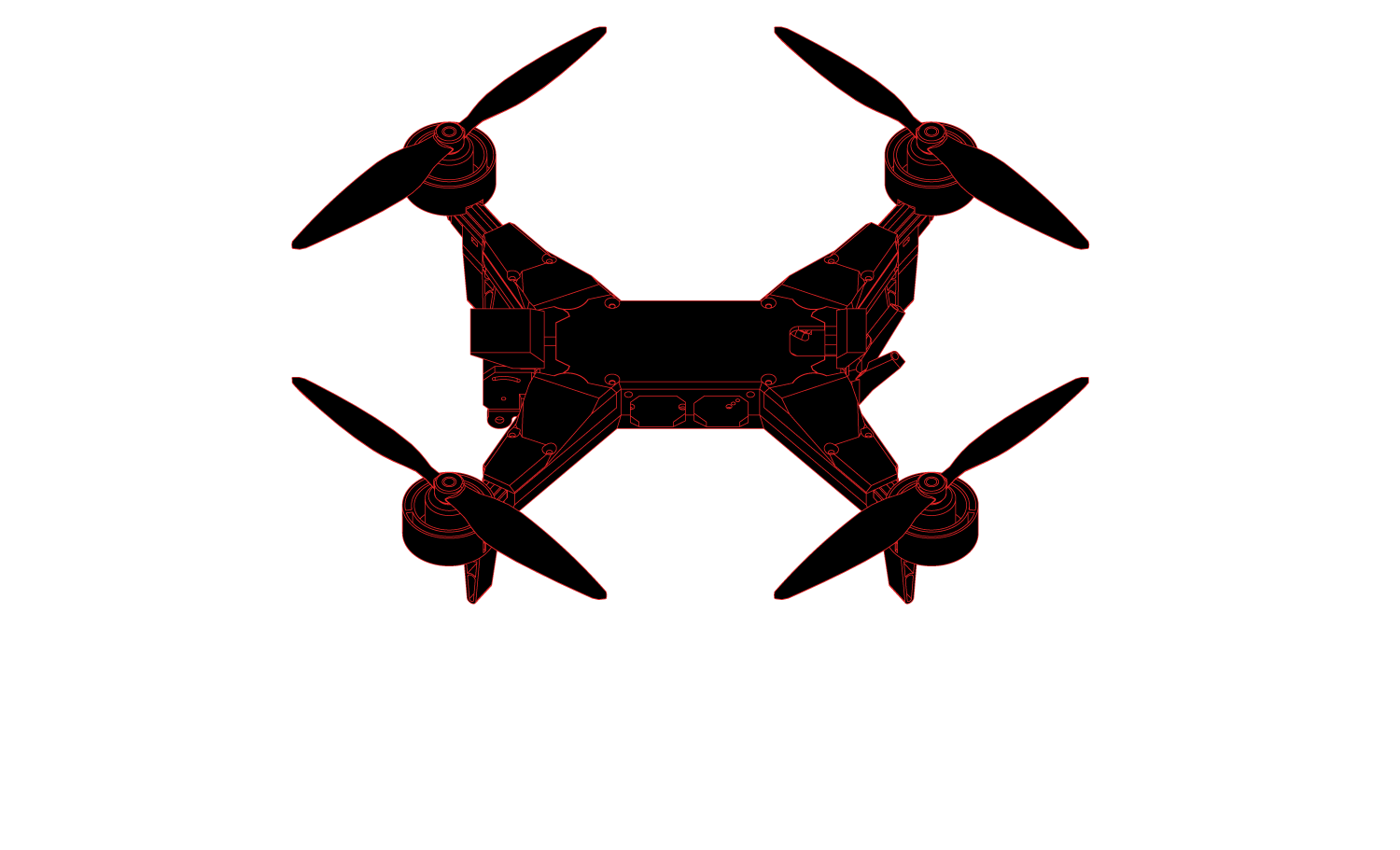
OBJEXIS is not a single aircraft, sensor, or software product. FIXAIT is the operating system for the tactical edge: combat-proven software that detects, targets, and adapts, running across every platform we build. OK-1, HALP, SLAAP, and MAQ-C are the physical vessels it commands, all built from one modular stack that can build, launch, sense, decide, act, and adapt at the tactical edge. Drones are the first class of target FIXAIT engages, not the last.

The Brain

FIXAIT: The Operating System

FIXAIT is the operating system for the tactical edge: detection, targeting, tracking, navigation support, and mission-defined recognition, continuously hardened through the OBJEXIS AI Pipeline's edge-to-cloud feedback loop, and running across every platform in the stack.

FIXAIT & AI Pipeline →
The Muscle

Platforms & Effects

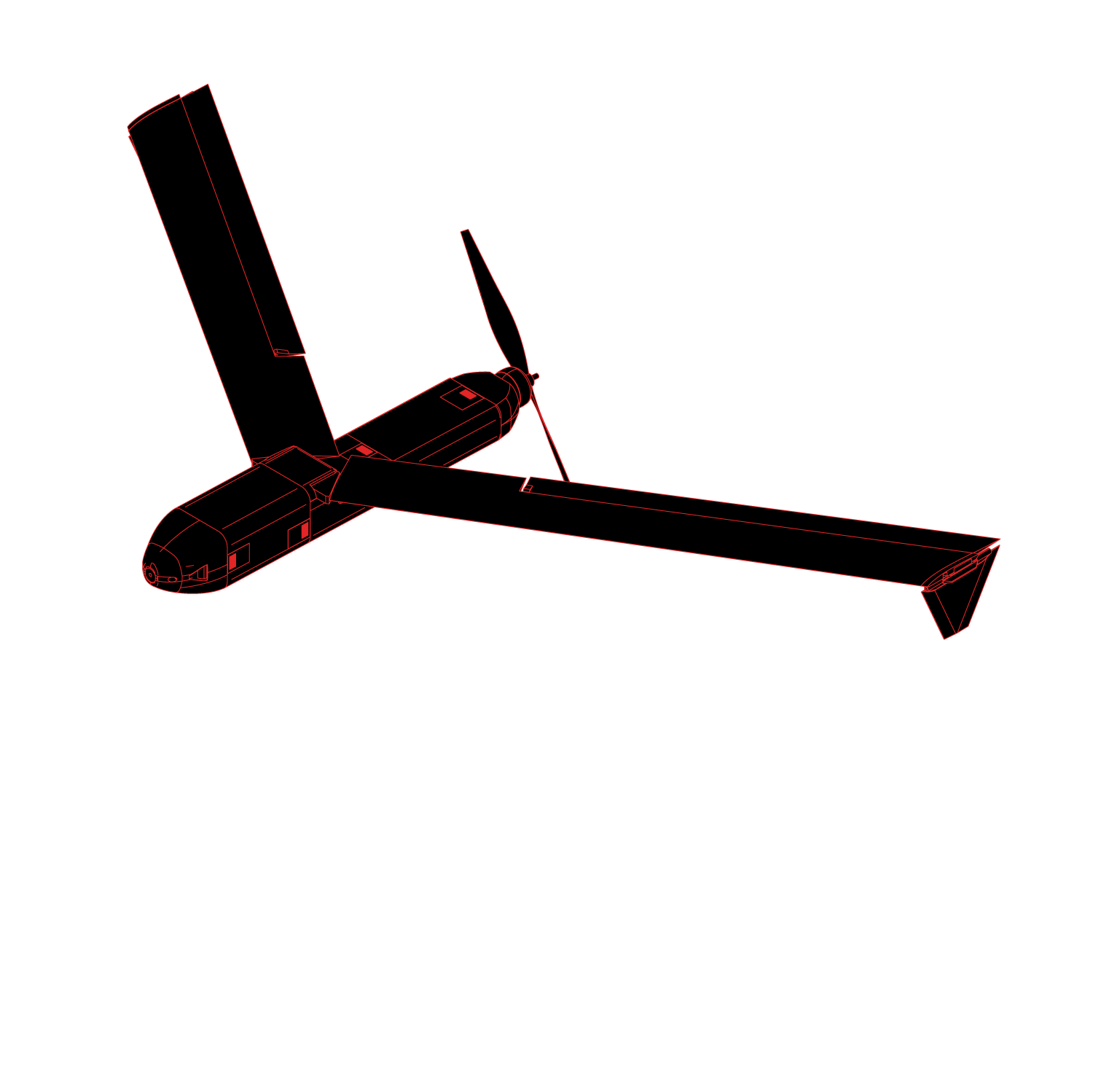
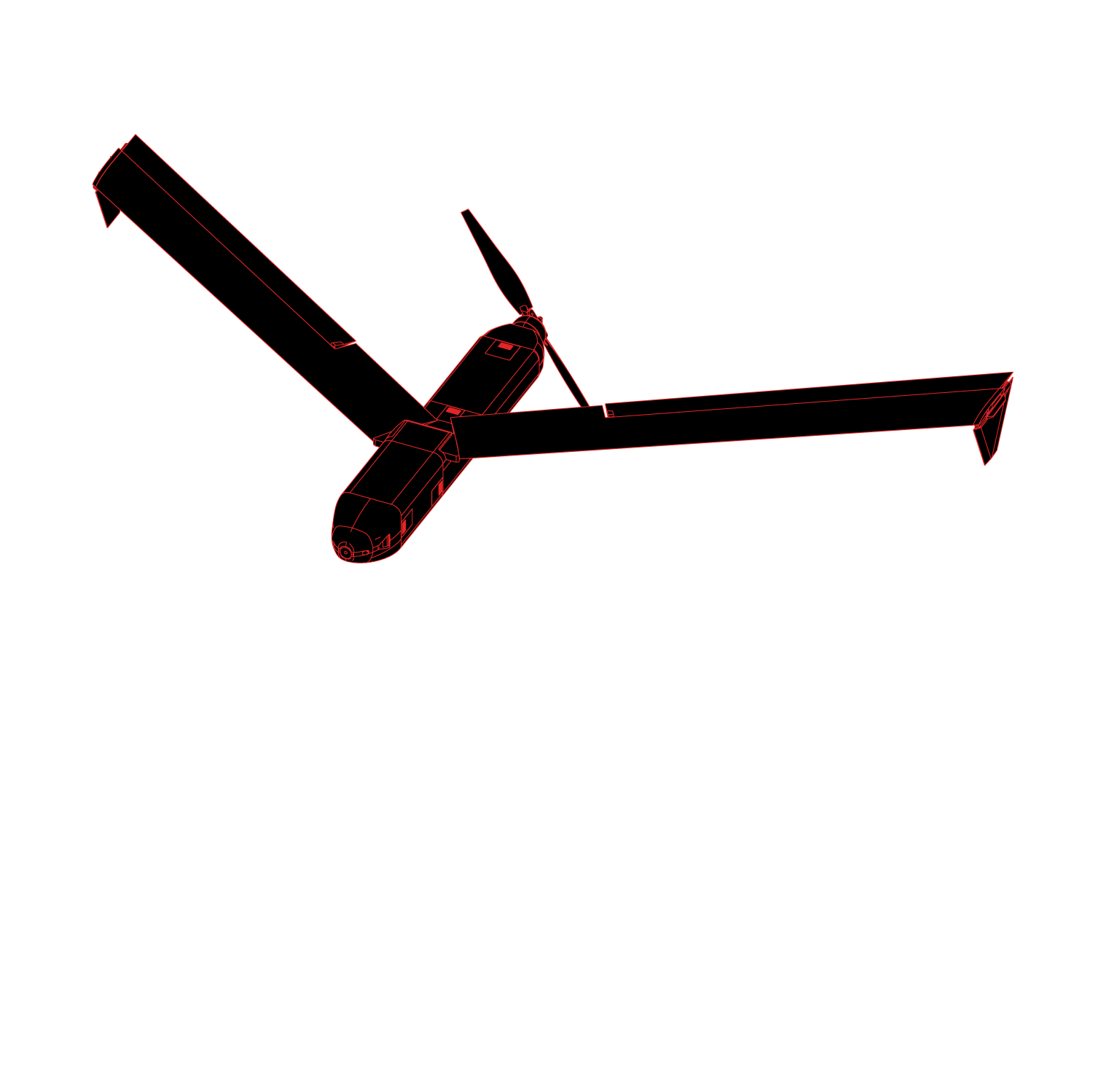
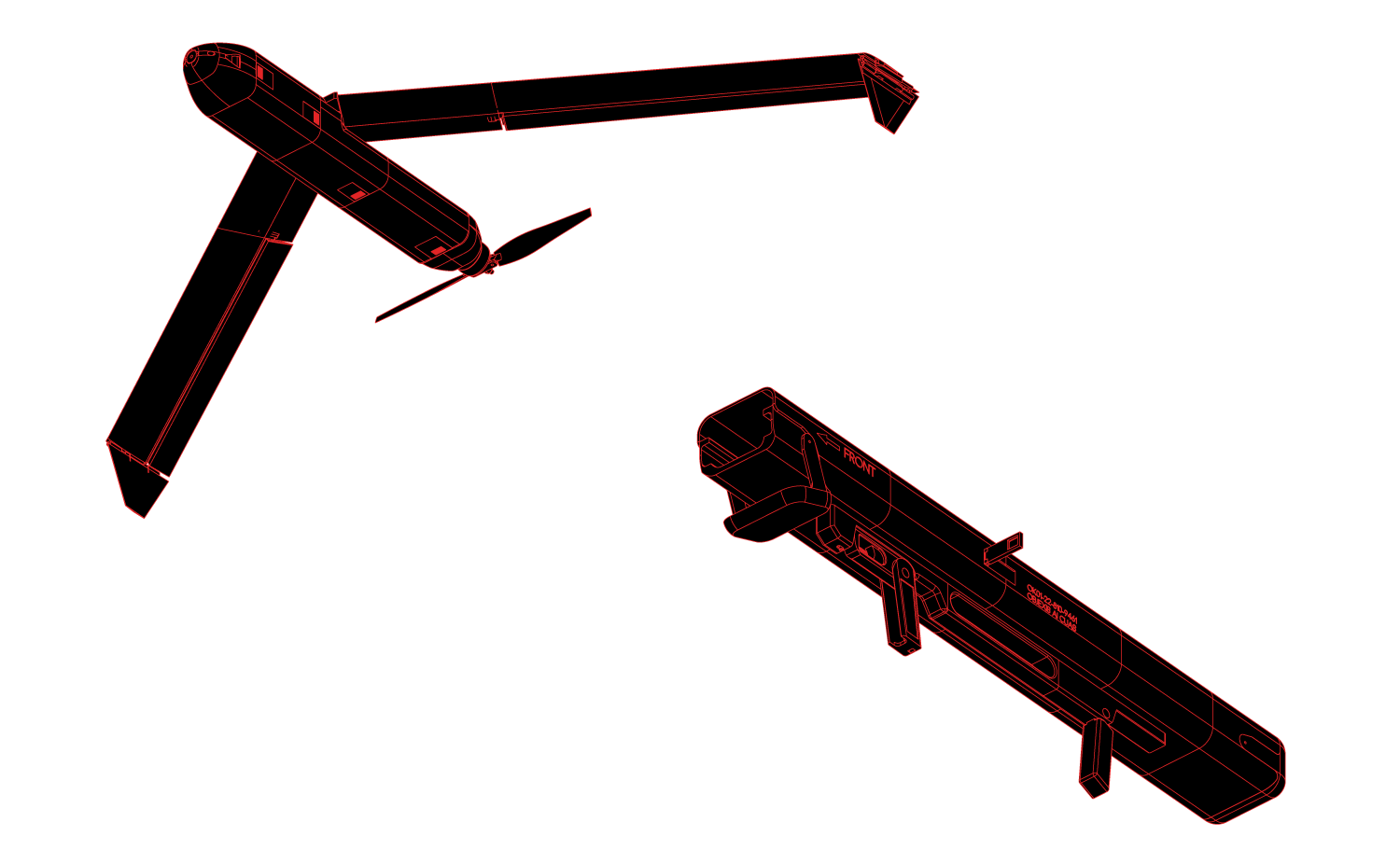
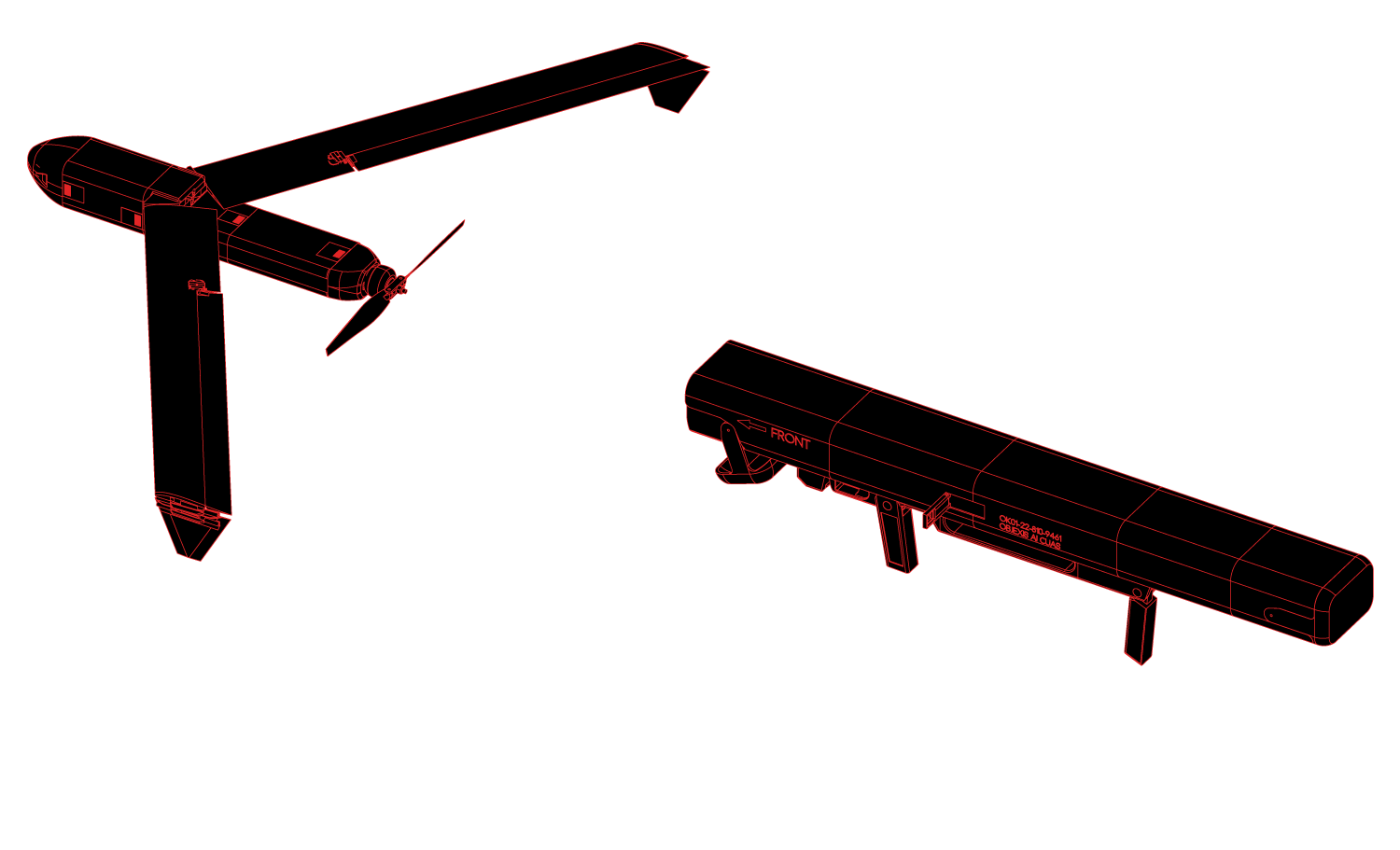
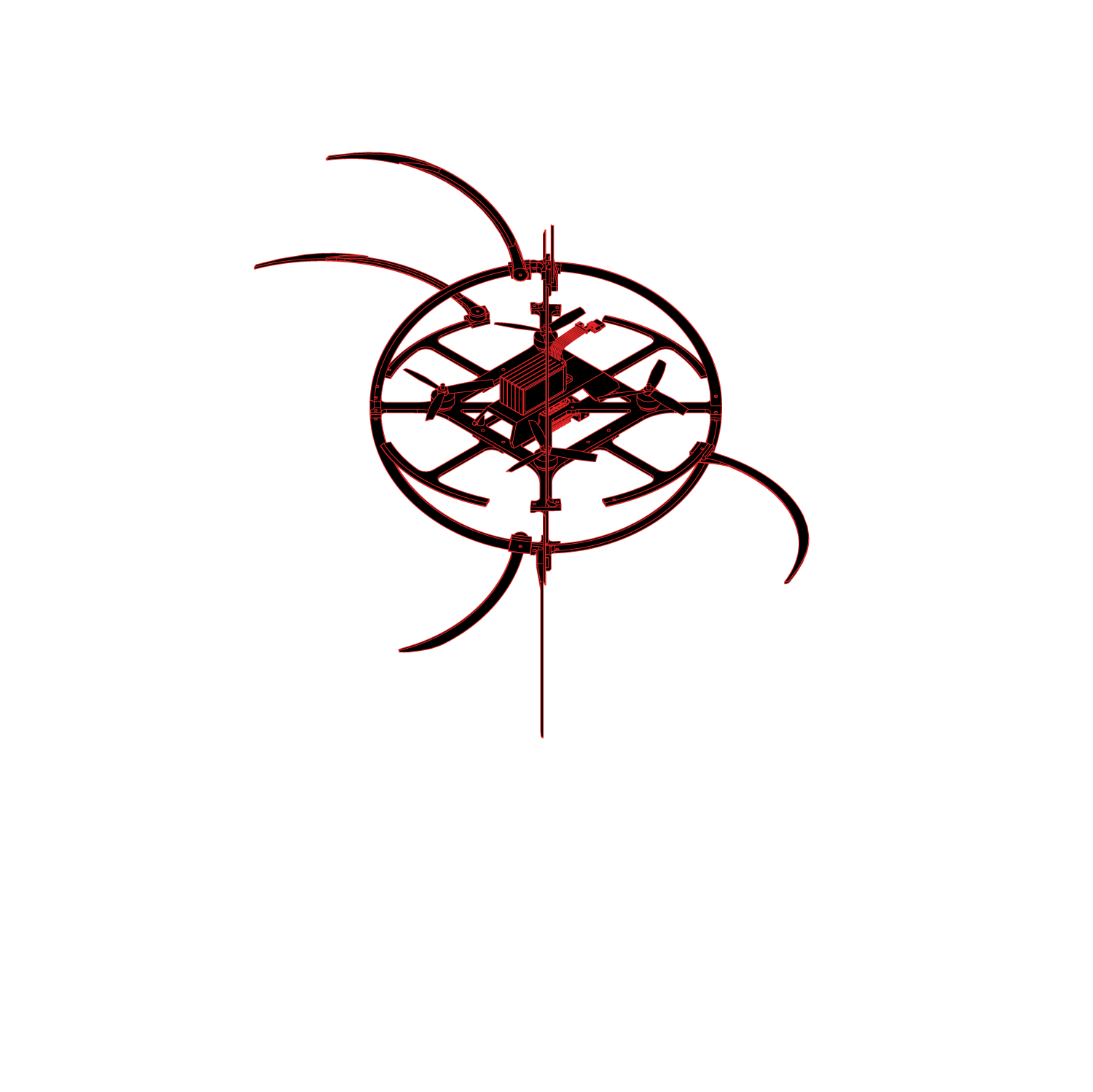
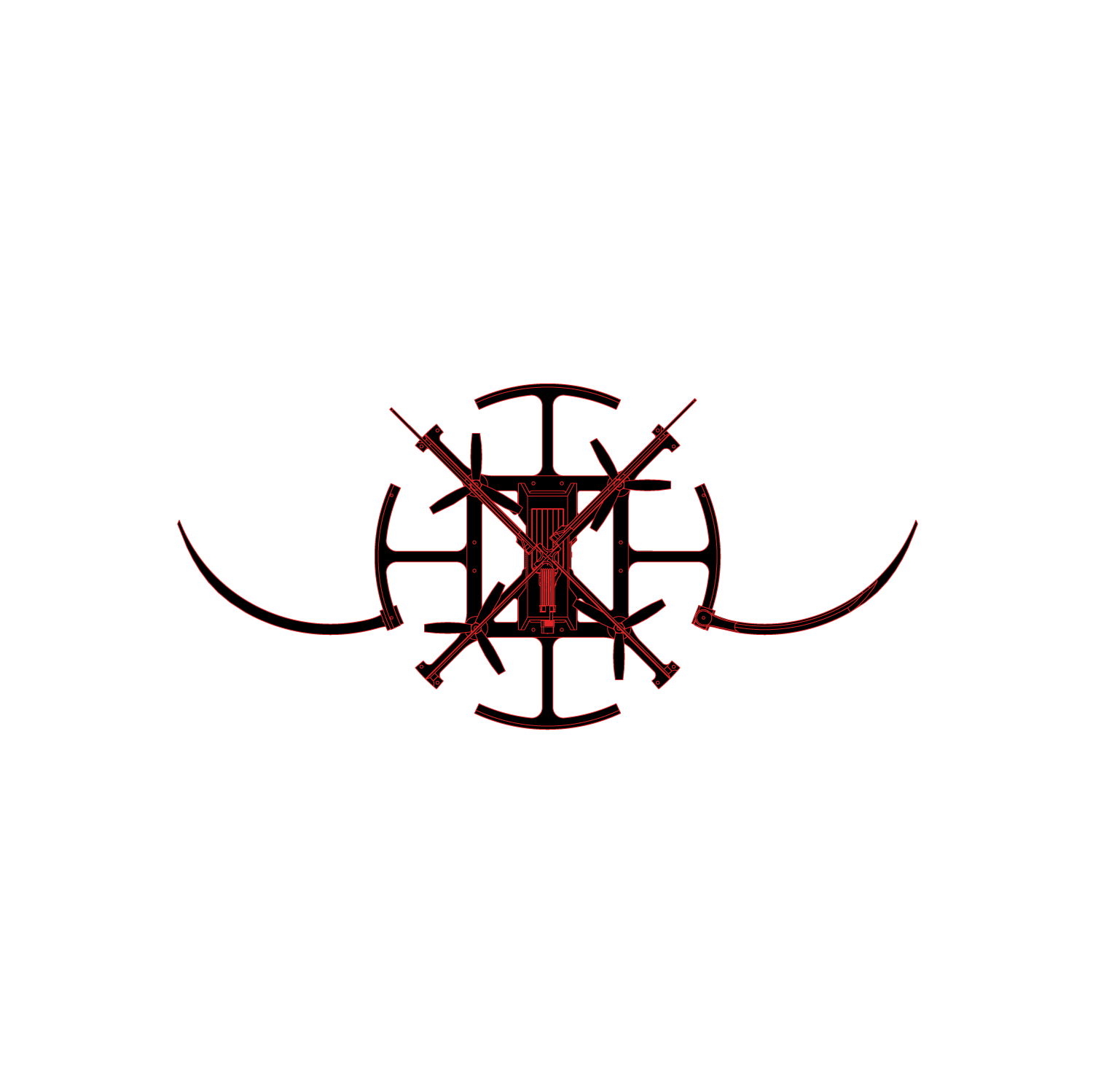
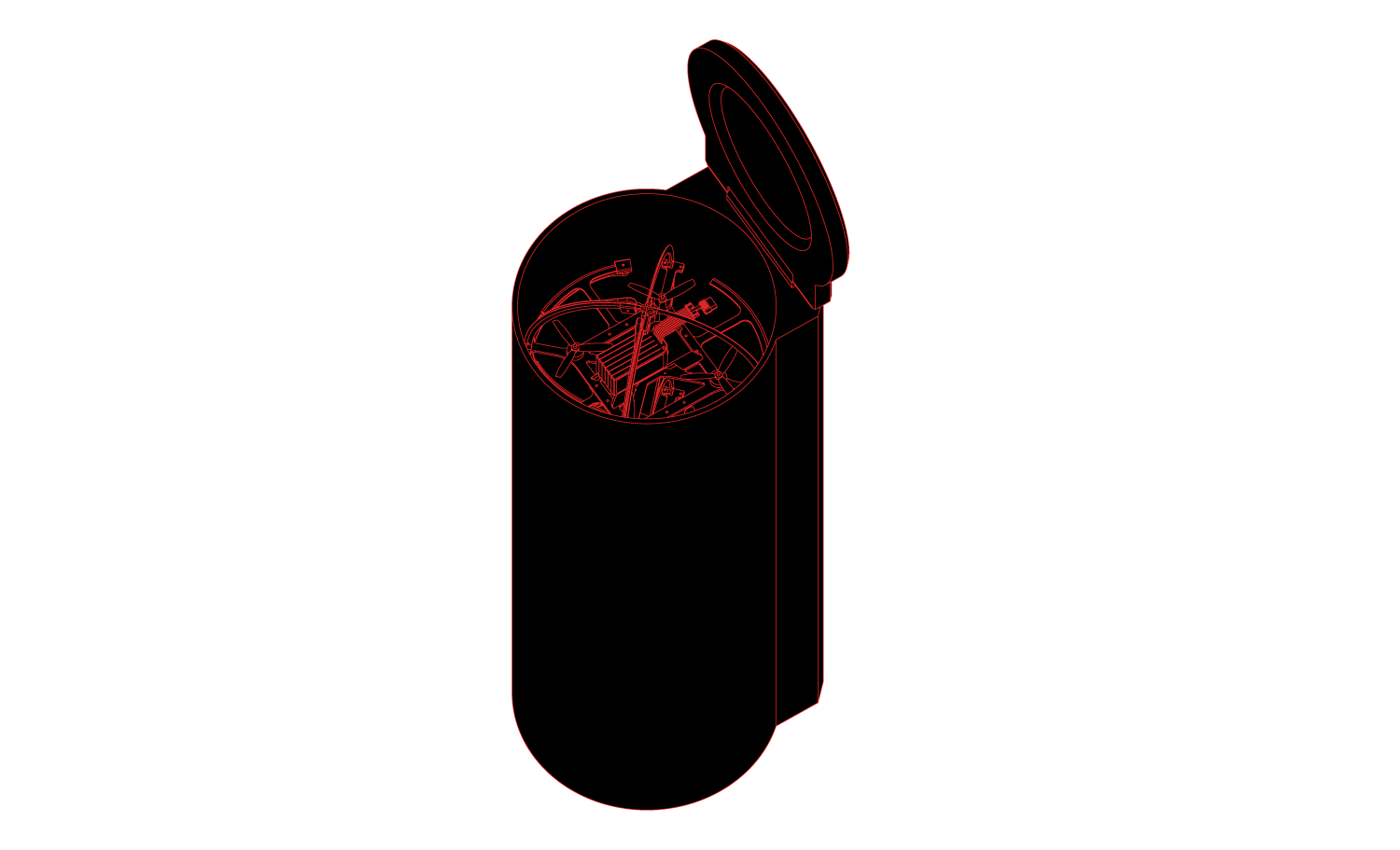
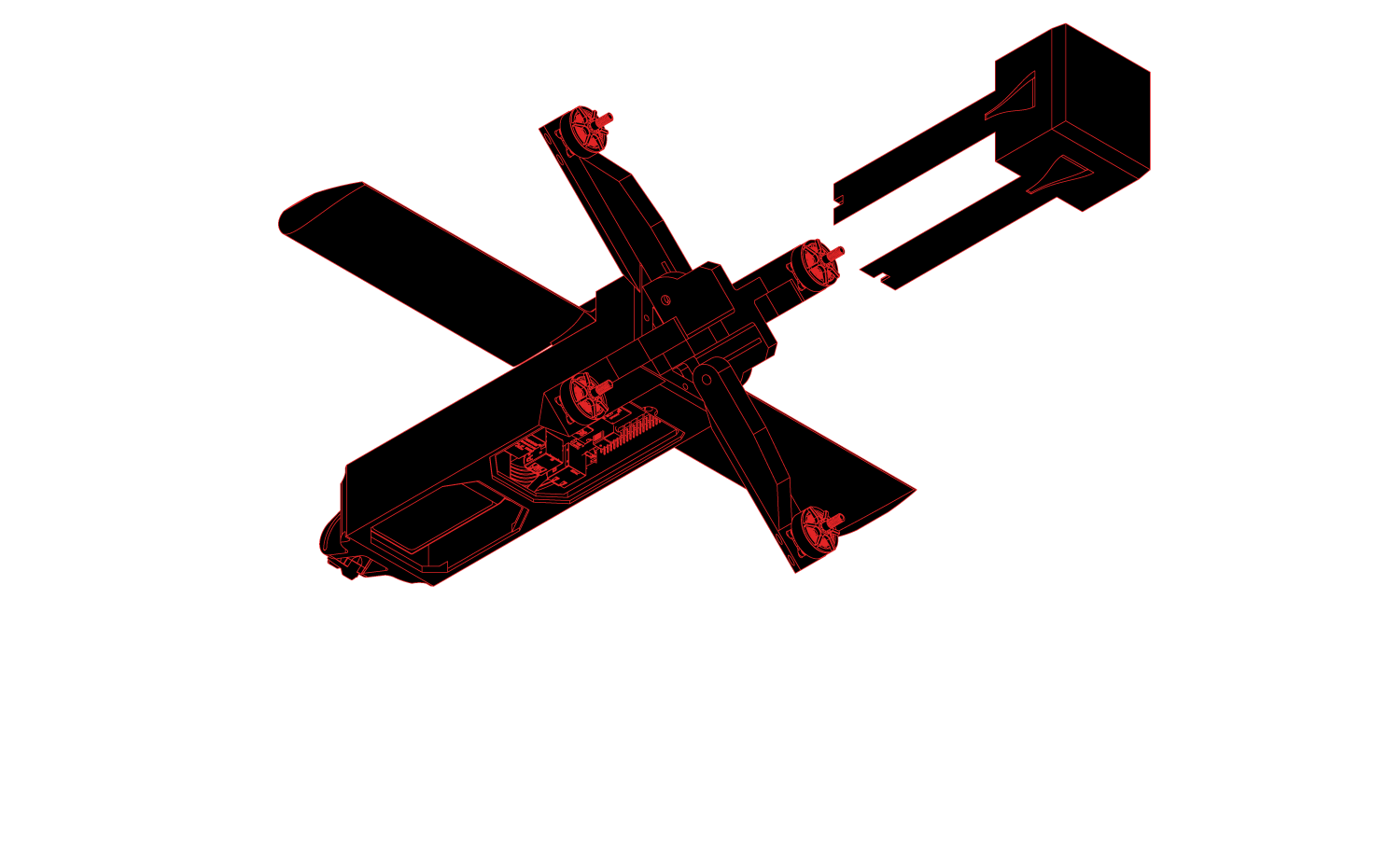
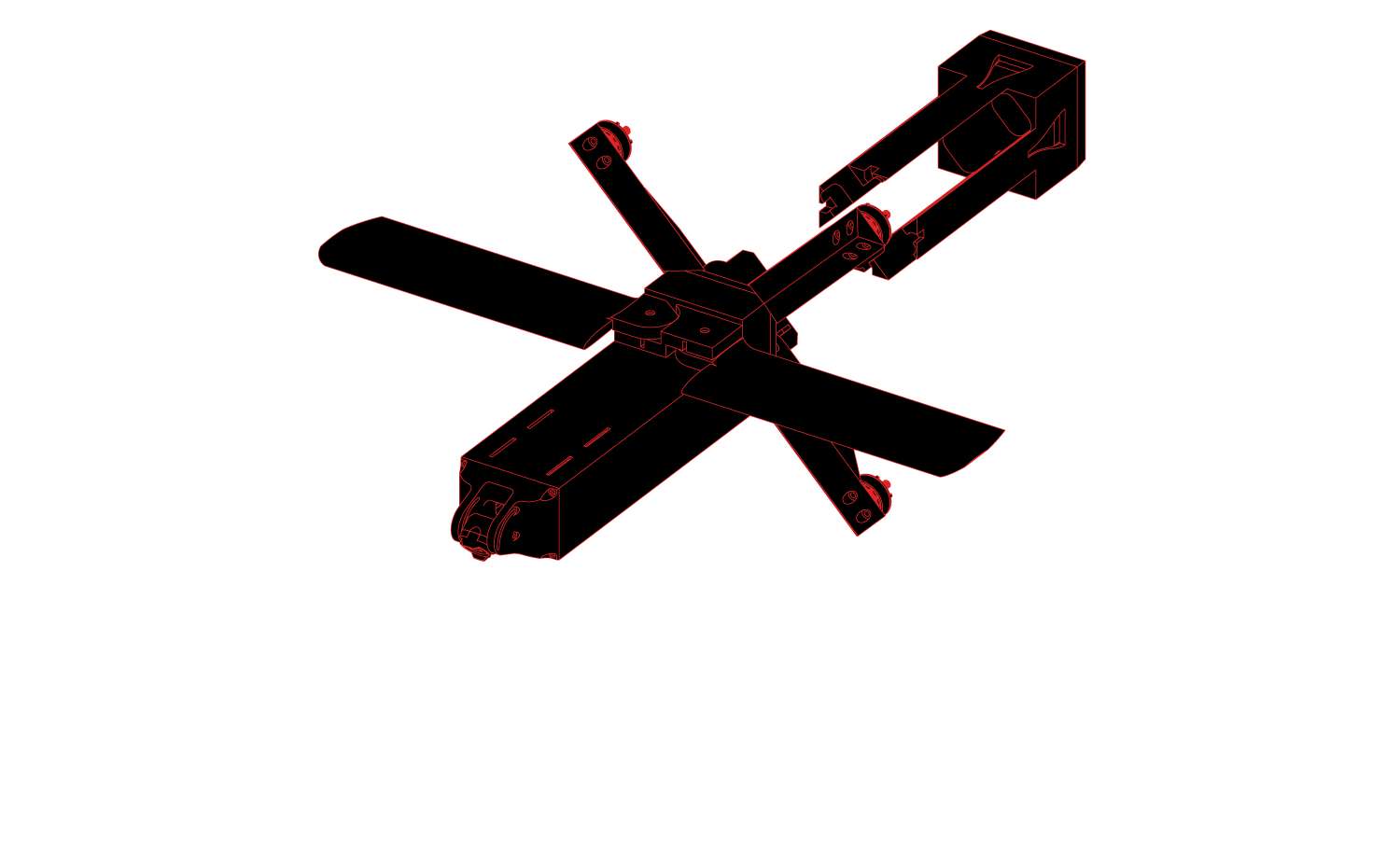
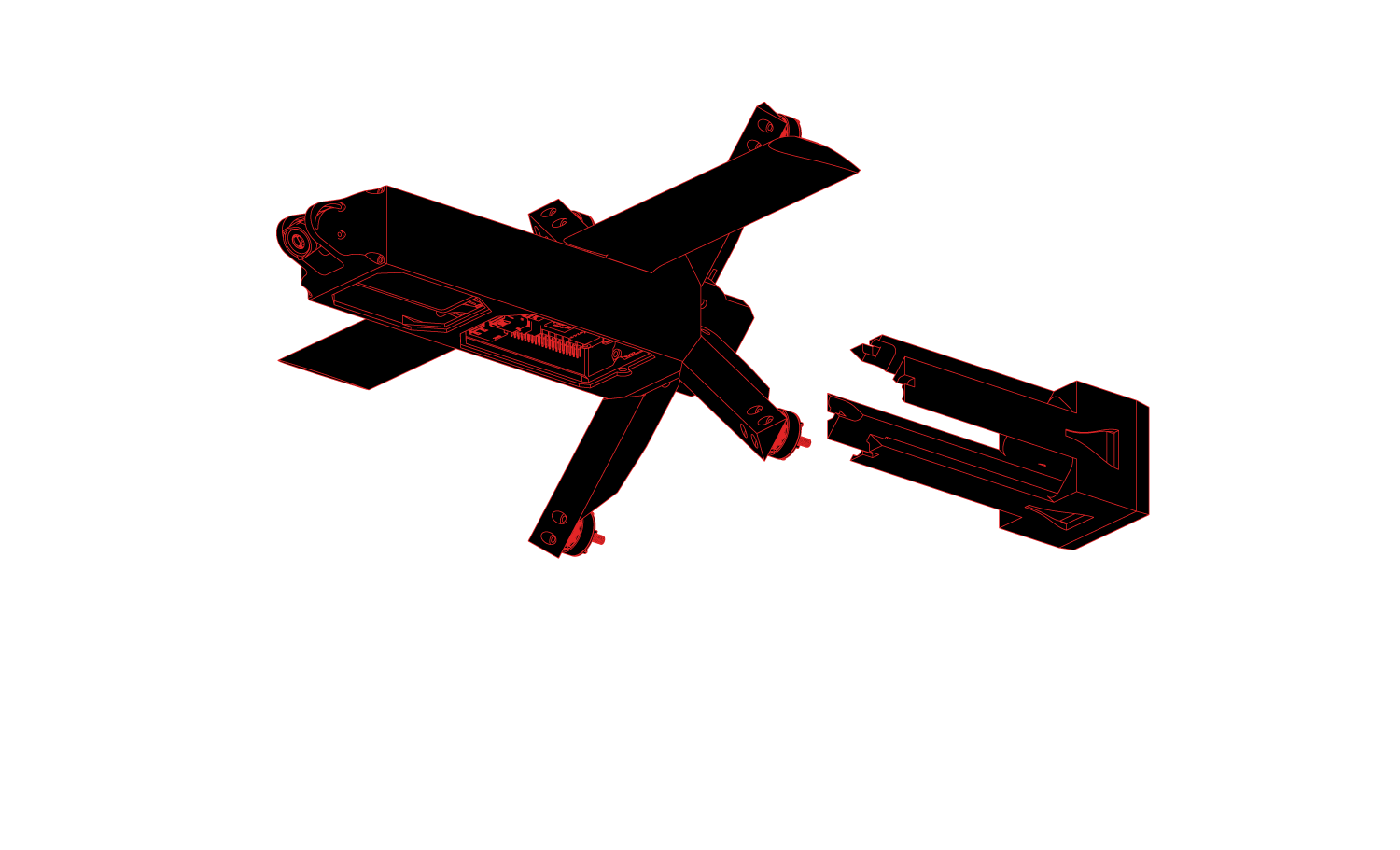
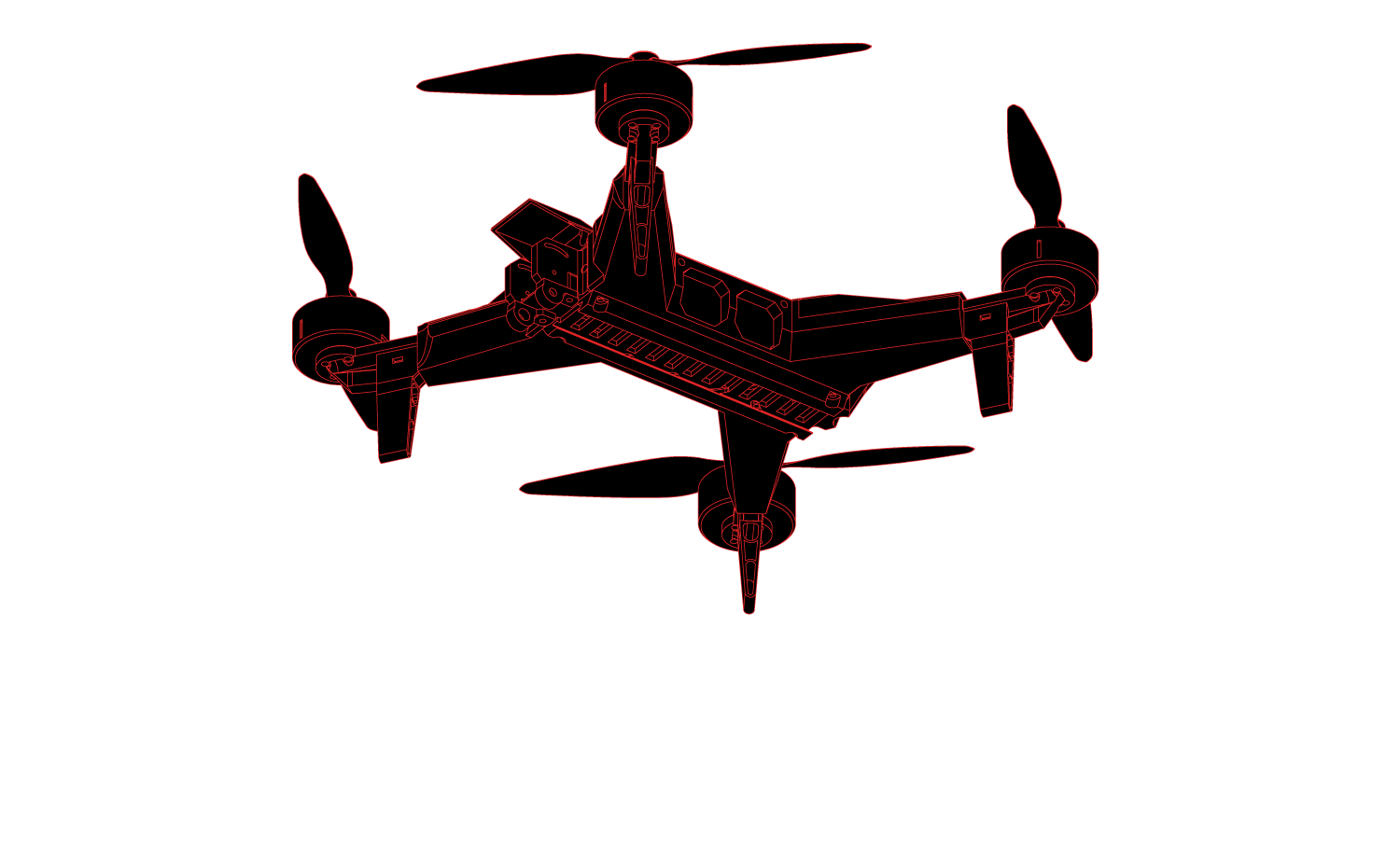
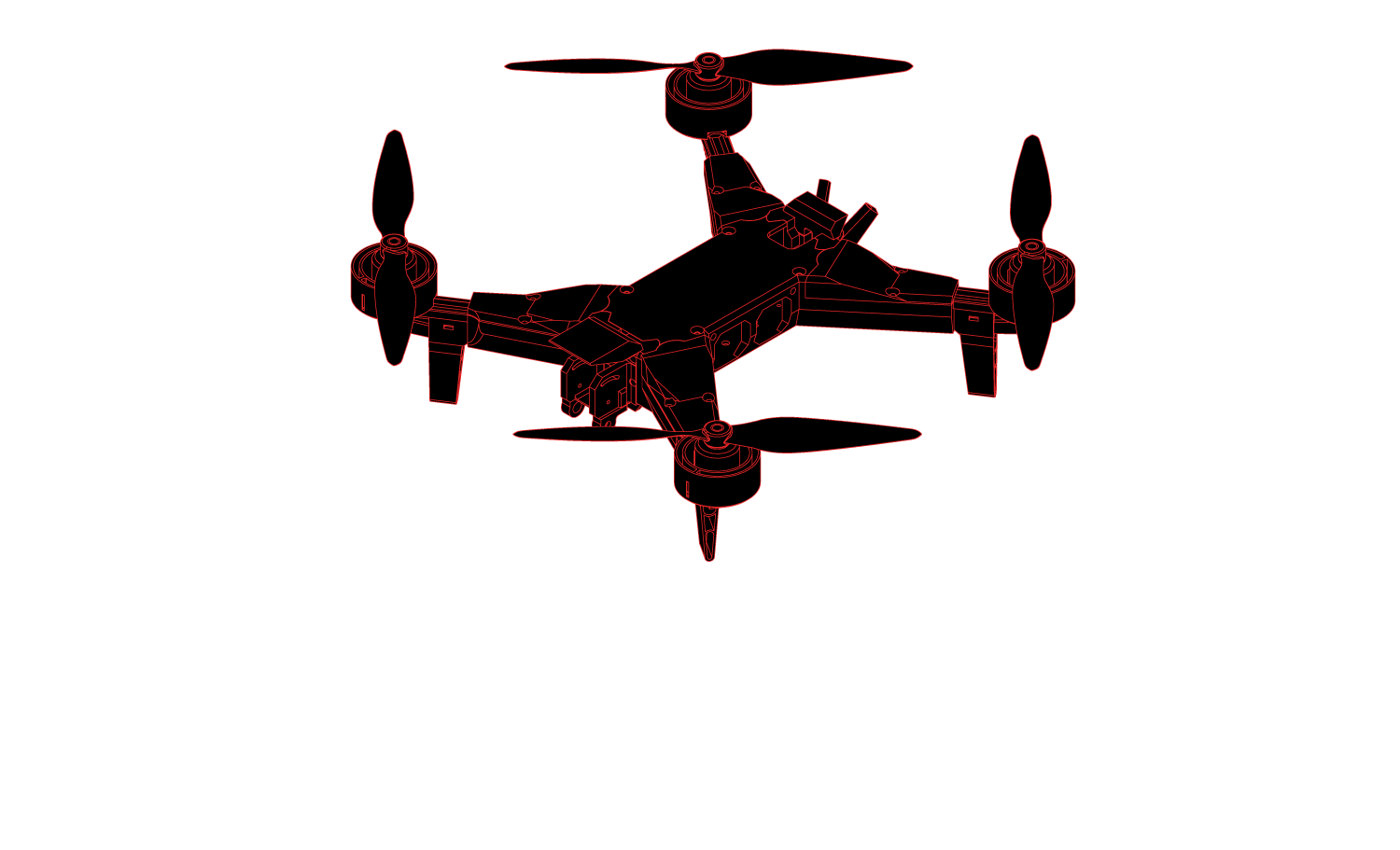
OK-1 fixed-wing and SLAAP interceptors, the HALP close-protection interceptor, MAQ-C multirotor, hybrid VTOL, ISR and mission variants, all built from one modular stack.

Aircraft & Interceptors →
The Nervous System

Modular Hardware

The M2E Multi-Mission Enabler avionics architecture: flight control, AI mission compute, video and payload modules, and communications, built in Canada, with NDAA-compliant configurations.

M2E Avionics →
The Operator Layer

Mission & Sustainment

Mission Builder, operator GUI, targeting overlays, CoT/ATAK-style C2 integration, backpack-deployable systems, 3D-printable components, and field repair at the point of need.

Mission Software →

One Modular Stack. Endless Mission Variants.

Engineered for Every Mission, and the Next One

OBJEXIS is not a one-trick product. It is a complete, modular unmanned-systems ecosystem, engineered so operators can build the exact platform each mission needs, sustain it in the field, and adapt it as the fight changes. The advantage is not a single feature. It is designed into every layer, and it was designed there early, before fibre-optic and autonomous drones dominated headlines.

Sovereign, end to end

Canadian owned, Canadian controlled. The company, its intellectual property, and its supply chain are held end to end in Canada. As Canada and its allies work to reduce dependence on foreign and adversarial supply chains for decisive technology, that is not a compliance detail. It is the foundation the rest of the stack is built on.

Modular, mission-built

One stack, configured for the job. Operators choose the platform, the payload, and the level of attritability for each mission, from recoverable to fully expendable.

Made and mended in the field

Field-assembled, 3D-printable, and COTS where it counts, so systems are built and repaired at the point of need instead of shipped back to a depot.

Autonomous and GNSS-free

Passive visual targeting that does not depend on GPS, RF, or a datalink, so it keeps working when the spectrum is jammed, spoofed, or denied.

Integrates, doesn't replace

Sensor-agnostic by design. It turns the cameras and sensors you already field into the system, and fuses with existing sensor and C2 networks.

Future-proofed by design

Zero-shot AI and an edge-to-cloud pipeline turn a never-before-seen threat into a fielded capability in hours. Every deployment sharpens the pipeline, and what one platform learns strengthens the model the whole fleet runs next.

A moat on file

A deep, growing IP portfolio with patents filed across detection, autonomy, navigation, and command-and-control, backed by combat validation and a DND record.

How Our Technology Works

Capability Coverage Across Sectors

Front-Line Defence

Fibre-optic and autonomous drones bypass EW, jammer, and radar assumptions. FIXAIT tracks physical objects and cues interceptors, operators, vehicles, or other mission systems in real time.

Vehicle Protection

Mobile forces need RF-independent sensing and close protection. Vehicle-borne FIXAIT, C2 outputs, close-protection interceptors, and modular mission packages address the gap.

Critical Infrastructure

Autonomous reconnaissance drones approach facilities with limited RF signature. Continuous, non-RF optical fence monitoring and operator/C2 alerting provide coverage.

Correctional Facilities

Modified dark drones bypass RF perimeter assumptions to deliver contraband. Optical tracking, localized alerts, and physical countermeasure cueing close the loop.

Public Safety

Agencies need affordable drone systems deployable without defence procurement timelines. Modular avionics and MAQ-C variants enable field deployment, inspection, and response missions.

Industrial & Logistics

Harsh environments require configurable drones that can be repaired and adapted on-site. M2E modular hardware, mission kits, and field-replaceable components deliver this.

Common Questions

What is OBJEXIS AI?
OBJEXIS AI is a sovereign Canadian defence-technology company that builds the entire air layer as one ecosystem: AI targeting and detection, interceptor and strike platforms, modular UAS, field-grade avionics, and the operator tools that tie them together. Everything runs on one modular architecture, so the same stack reconfigures across missions instead of locking a customer into a single product. Headquartered in Oakville, Ontario. Doctrine: Build Anywhere. Adapt Everywhere.
What does OBJEXIS AI build?
A connected family of systems: FIXAIT, an edge AI detection and targeting system; the OK-1, HALP and SLAAP interceptor and strike platforms; the MAQ-C modular UAS for ISR and mission variants; and M2E, modular field-grade avionics. Each is designed to mount, launch and carry across the family, and the platforms are deployable from a backpack and repairable in the field.
What missions do OBJEXIS systems support?
The ecosystem covers the air layer end to end: intelligence, surveillance and reconnaissance; precision strike; counter-UAS and vehicle protection; and rapid AI retraining against novel threats. Because the platforms share one architecture, a unit shifts between missions by recombining airframes, payloads and effectors rather than buying a new system for each role.
What is FIXAIT?
FIXAIT is OBJEXIS AI's edge AI detection and targeting system. It is fully passive, so it emits nothing to jam or trace, and it runs in real time on hardware as small as a 25-watt edge module. In benchmark testing, a single vehicle-protection system processed 1,800 3D position plots per second on a commercial off-the-shelf Android tablet. It outputs Cursor-on-Target and is ATAK-native.
How do OBJEXIS systems handle jamming, GPS denial, and electronic warfare?
They are engineered for the worst RF environment rather than the best. Detection is passive instead of radar or RF-dependent, autonomy functions in GNSS-denied environments, and the platforms do not depend on links an adversary can cut. OBJEXIS systems have tracked fibre-optic drones that emit no radio signal at all, a threat class that RF-based detection cannot see.
What is the OBJEXIS AI Pipeline?
The pipeline is the engine that keeps every OBJEXIS product ahead of an evolving threat. Field data feeds model training, hardening and synthetic augmentation, and updated models redeploy to the edge. In a live demonstration, a captured novel threat went from first field recording to a retrained, redeployed and verified model in under three hours.
Do OBJEXIS platforms work together?
Yes, that is the core of the design. Airframes, payloads and effectors are built to mount, launch and carry across the family, so the platforms combine into configurations a single-product company cannot offer. The specific configurations are shared with customers and partners directly.
Does OBJEXIS AI provide counter-UAS (counter-drone) capability?
Yes. Counter-UAS is one mission of the ecosystem, pairing passive AI detection with interceptor platforms so there is no signal to jam or trace. At Canada's Department of National Defence IDEaS counter-UAS Sandbox, OBJEXIS placed second overall and won the $375,000 Diamond in the Rough prize.
Is OBJEXIS AI's technology combat-proven?
Yes. OBJEXIS systems, including FIXAIT, have been fielded on the front lines in Ukraine and tested against live threats, including Russian KVN fibre-optic drones. Lessons from those deployments feed directly back into the product line through the AI pipeline.
What does sovereign Canadian mean at OBJEXIS?
It means the company, its intellectual property and its supply decisions are controlled end to end in Canada. For Canada and its allies, that is a domestic source for autonomy and unmanned systems rather than a foreign dependency for decisive battlefield technology.
Who does OBJEXIS AI work with?
OBJEXIS works with the Canadian defence community through DND's IDEaS program, with front-line end users, and with partners including Amprius, TechPlace, Innovation Factory and Intellectual Property Ontario. It presents at NATO and allied innovation forums and engages prime contractors and allied governments.
Does OBJEXIS AI offer demonstrations, presentations, and training?
Yes. Live demonstrations, capability presentations, and end-user training are a core part of how OBJEXIS works. The team is staffed by operators with decades of service who still operate today, including in the most current global hotspots, and who have lived the drone shift reshaping modern warfare firsthand. The training is hands-on and taught from the current fight, not the last one. To arrange a demonstration or training engagement, contact HQ@objexis.ai.
How do I engage OBJEXIS AI?
For demonstrations, procurement, partnership or investment discussions, contact HQ@objexis.ai or use the contact page. For security research, contact security@objexis.ai. For careers, see the careers page: selection is open.

Experience the OBJEXIS Platform

Contact us to learn more, request a technical demo, or explore partnership opportunities.

Request Information